

Classical encounters and wild renewal: a landscape journey on the Isle of Wight
5 MINUTE READ
Written by Liam Furniss
Liam Furniss is a South African writer and communications specialist currently living in London. He is passionate about biodiversity protection, historical journeys and finding old solutions to new problems throughout the world of travel. He is happiest spending time in nature and fervently believes that the more nights a year spent in a tent, the better.
What is it about this island, one might ask, that has so inspired artists and icons from Alfred Lord Tennyson to Benedict Cumberbatch and, even more famously, Queen Victoria? The Isle of Wight, at first glance, might seem like simply another delightful Southern getaway for summer lovers. Its pseudonym as the ‘Dinosaur Isle’, has also attracted Jurassic bone hunters and geologists for hundreds of years. But, with new sites now looking to its future, old and new are now starting to change the tune.
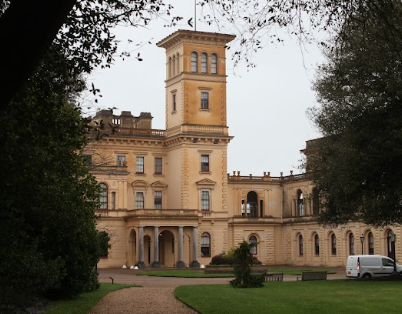
“My son was the one who really got me into birds,” said Paul, my taxi driver, who had just picked me up from Osborne House. I had spent the late afternoon walking the grounds of Queen Victoria’s summer home, and Paul wanted to know what I had seen. “I saw two great-spotted woodpeckers, actually,” I replied, quite proud of my haul, but which Paul was less impressed by. He then went on to tell me about the huge diversity of birds found here, how popular birding was and how much he loved the unique nature of the island.
Half of the entire Isle of Wight is designated as a National Landscape, or Area of Outstanding Natural Beauty, and with the most sunshine hours in the whole of the UK, it’s easy to see the attraction – for the birds and the people.
So, walking around the 350-acre estate of Osborne House through a blustery, rainy dusk, it was not only the grand Italian towers and parterre gardens which enticed me, but also the trees. Along the path to the ‘Swiss Cottage’, the trees themselves have histories, birthdays and even personalised names. And watching them dance in the spring winds, I could understand why one of the most famous British monarchs of all time chose this iconic landscape to be her summer home.
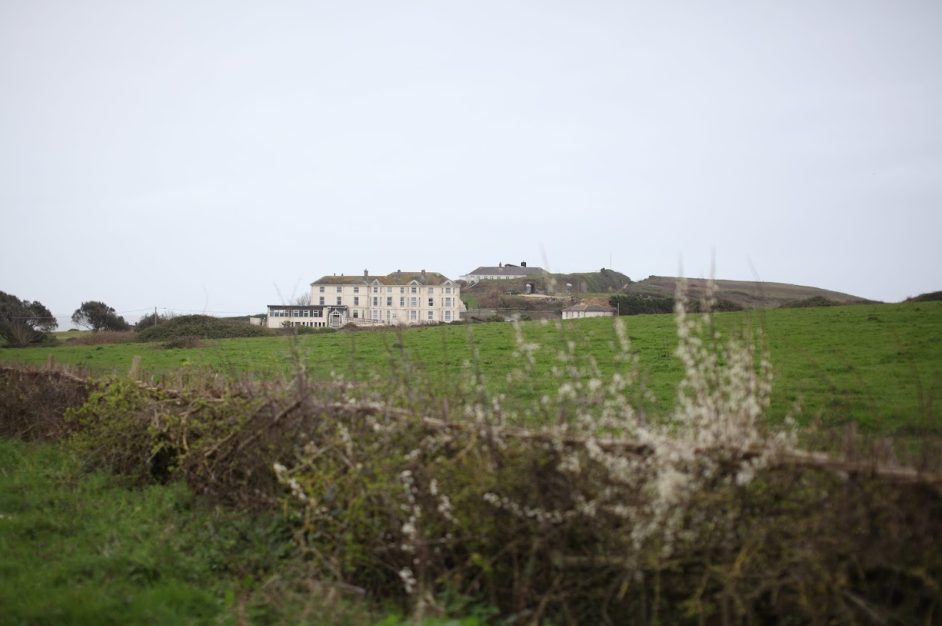
And she was not alone in her reverence for this wild place. The next morning, I went for a jaunt up and onto the Tennyson Downs. From the Freshwater Bay Albion Hotel, which has a truly unique location looking straight out to sea across the old smugglers’ bay, it is a steep climb up onto the downs. Walking along the paths with the whipping wind and rainy squalls, these hallowed hills have a truly ghostly appearance. But I couldn’t think of a better way to walk where the poet walked. One could almost feel his eyes peering out from in between the trees, looking out over these cliffs which have inspired so many words, and so many people since.
I was pulled from my reverie, however, to drive across to the Little Duxmore Farm, a newer type of inspiration for the island. I was meeting with Jamie Marsh from the Isle of Wight Wildlife Trust, and apart from having an incredibly apt name, his passion for this iconic wilderness was tangible. He took us for a walk over their 100-acre site that had recently been acquired and explained why their work is so pivotal to this place. The nature of this island is one of its greatest victories.
A few years ago there was a hugely successful reintroduction program for white-tailed eagles (one of Paul’s favourites), they also have a uniquely healthy red squirrel population and have an active beaver recovery project underway. But, more than just the animals, there is a growing need to add resilience to the island’s heavily agricultural revenue streams, and the Wildlife Trust is now looking at new ways to boost the ecological health and efficiency of its landscapes.
“We never expected it to recover as quickly as it has,” Jamie said, looking out over a low-lying section of the farm as a heron stalked its prey through the muddy shallows of the flooded grass. The bounce-back in microspecies, pollinators, natural brush and many other key ecological indicators since they have let this once monocultured farm rewild has been unbelievable.
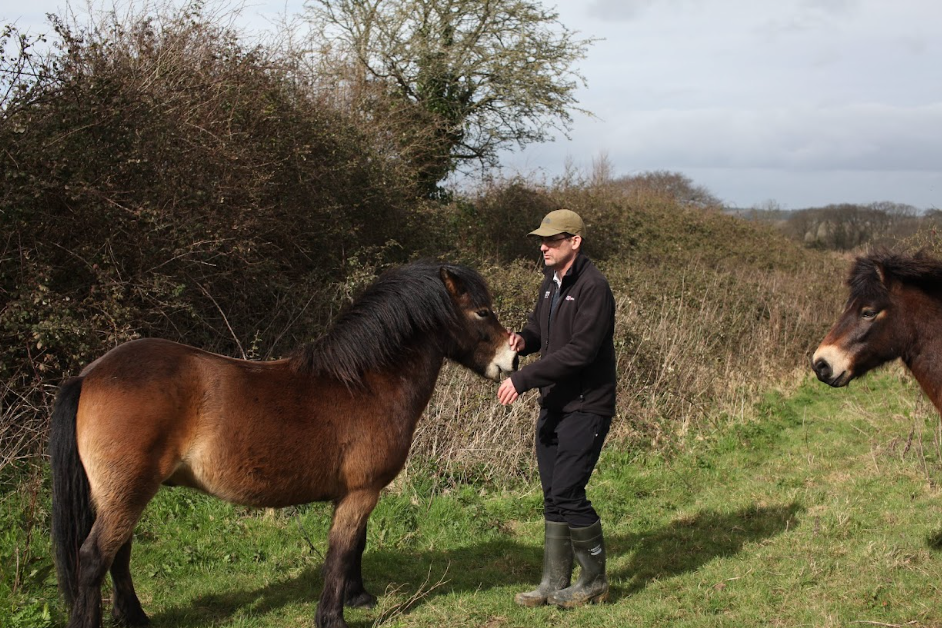
They are also currently grazing a small herd of semi-wild blackmoor horses, and the results speak for themselves. By rotating animals on the farm, carefully managing impact, and simply working with the land’s natural processes, they have the evidence that agriculture can still be productive and viable – it just needs to be more wild again. “I would buy up half the island and turn it into this if I could,” says Jamie towards the end of our walk.
To visit this space and see first-hand how powerful nature’s return can be if we simply let it, was such a privilege, and I left thinking how different our landscapes would look if more of them were run like this.
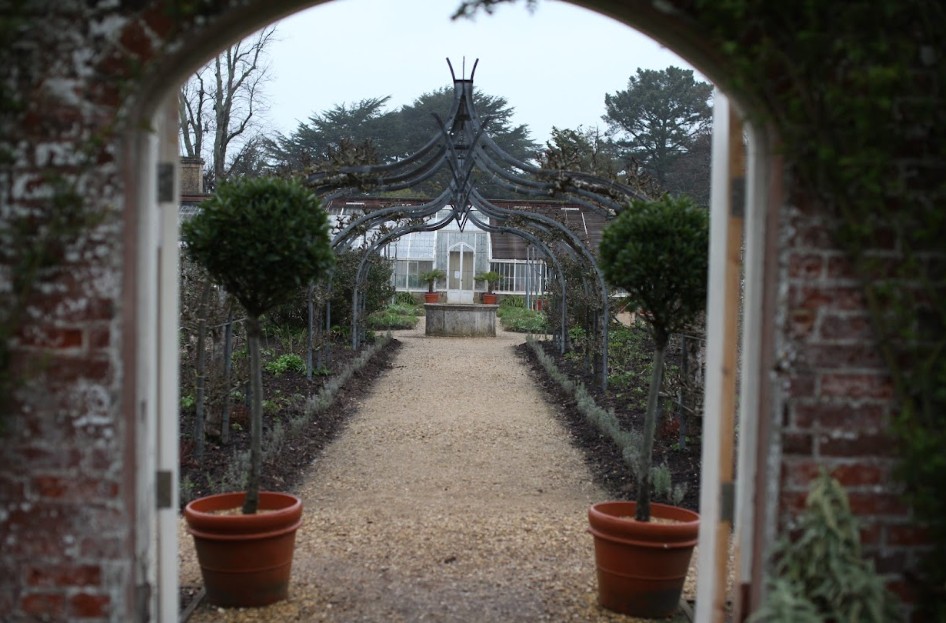
After the enlightening time with Jamie, it felt right to visit the Garlic Farm just next door, a beautiful old family-run farm which has become something of an attraction on the island. It has a successful ‘garlic-themed’ restaurant, which is championing some innovative farm-to-table and back-to-farm practices – from pollinator patches to waste ditches.
Along with its nature-first farming style, though, there is also evidence of Iron Age tools, Roman agriculture, and even World War II barracks on the farm. Going on the well-marked walk around the farm, it felt like a reminder that this island is definitely brimming with history, but perhaps by turning its eyes forward, to the protection of this history for the next generation, it can find new ways to usher in its future.
I finished off the trip by taking a long walk along the Robert Hooke trail. Robert Hooke was a renowned geologist who lived on the island in the early 17th century. He would go on to become one of the formative scientists of his generation and a member of the Royal Society. He grew up along these rocky paths, inlets and underneath these stormy skies.
To see what he saw, and feel what inspired him seems another one of this island’s lovely little gems (excuse the pun). The path is a lovely wooded walk which goes all the way from Freshwater to Yarmouth. Along the way, I passed children on bicycles, young couples, curious old-timers and even a jumpy stoat – which was an exciting first for me.
The island’s incredible geology and archaeology have been a constant pull for those fascinated by uncovering the hidden truths of this ancient landscape for generations. Along with its royal history, one could be forgiven for thinking it is an island stuck in the past. However, after spending a few days seeing how this wild isle is now rejuvenating, I felt deeply inspired by what the future might hold for those coming next.
GeoCultura: Isle of Wight short breaks
New 4-day small group tour coming very soon, staying three nights at the Albion Hotel, Freshwater Bay. First departure on 18th May 2026. More 2026 dates to follow. Contact us for more information and how to book.
You might also like:
Jurassic Coast 2-night tour: Guided fossil hunt and Etches museum visit
Choice of three dates April, June and October 2026